
To become a geriatric nurse you must graduate nursing school and obtain licensure. Gain experience working with older adults by working in nursing homes or assisted living facilities. Consider some of the emotional and professional factors that come with pursuing a career in geriatric nursing.
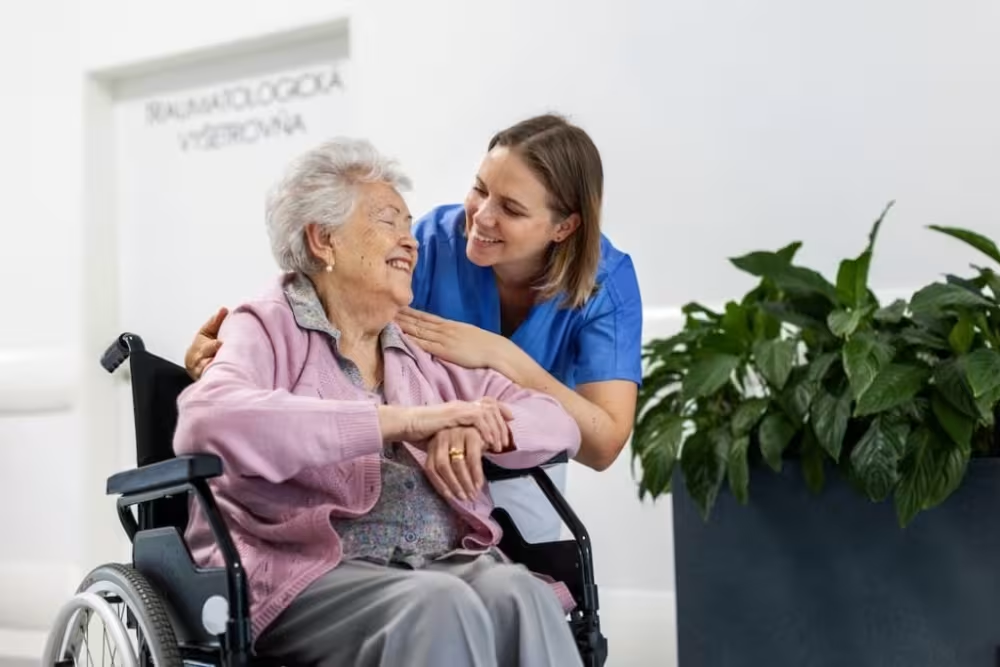
As life expectancies continue to rise, and the population continues to age, more geriatric nurses are in demand. But what is a geriatric nurse?
A geriatric nurse is a registered nurse (RN) who focuses on working with older adults. They manage health conditions, manage medications, and focus on improving quality of life for people in the later stages of life. Here you’ll find how to become a geriatric nurse, alongside other important factors to consider about geriatric nursing.
What Is a Geriatric Nurse?
Geriatric nurses specialize in the day-to-day care that comes with senior needs. This typically includes assistance with physical and cognitive health. Becoming a geriatric nurse requires high levels of patience and empathy.
Many geriatric nurses work closely with families and healthcare teams to support patients and improve health outcomes. Geriatric nursing can be a rewarding career to those who enjoy working closely with patients.
What Does a Geriatric Nurse Do?
While geriatric nursing responsibilities vary depending on patients and clinical settings, typical care commonly includes symptom management and assistance with tasks that support and improve quality of life.
A geriatric nurse’s duties vary depending on the patient and care setting. Common responsibilities include:
• Assisting patients with mobility
• Managing chronic illnesses
• Managing symptoms associated with cognitive decline
• Medication management
• Working closely with families and healthcare teams
These tasks highlight the patient‑centered nature of geriatric nursing.

Interested in becoming a nurse? Find out if nursing is right for you.
Where Do Geriatric Nurses Work?
As the Baby Boomer generation continues to age more, geriatric nurses are being found in all corners of the healthcare industry. Some common settings where you’ll find geriatric nurses include:
Nursing Homes/Assisted Living Facilities
In nursing homes and assisted living facilities, geriatric nurses provide long‑term care, administer medications, coordinate therapy and monitor residents’ health. They support patients’ daily activities and encourage independence where possible.
Hospice
In hospice, geriatric nurses focus on comfort and quality of life for patients with serious or terminal illnesses. They manage pain, collaborate with physicians and offer emotional support to patients and their families.
Hospitals
In hospitals, geriatric nurses care for older adults recovering from surgery or serious illness. They help patients regain function, prevent complications and coordinate discharge plans.
Home Care
Home care allows geriatric nurses to visit patients in their homes. They perform health assessments, administer medication, educate caregivers and ensure patients can live safely at home.
Geriatric Nurse Requirements: Skills and Qualities
While all nursing roles require compassion and empathy, geriatric nurses especially need to embody these traits. Important qualities include:
• Attention to detail
• Communication
• Empathy
• Patience
Patience
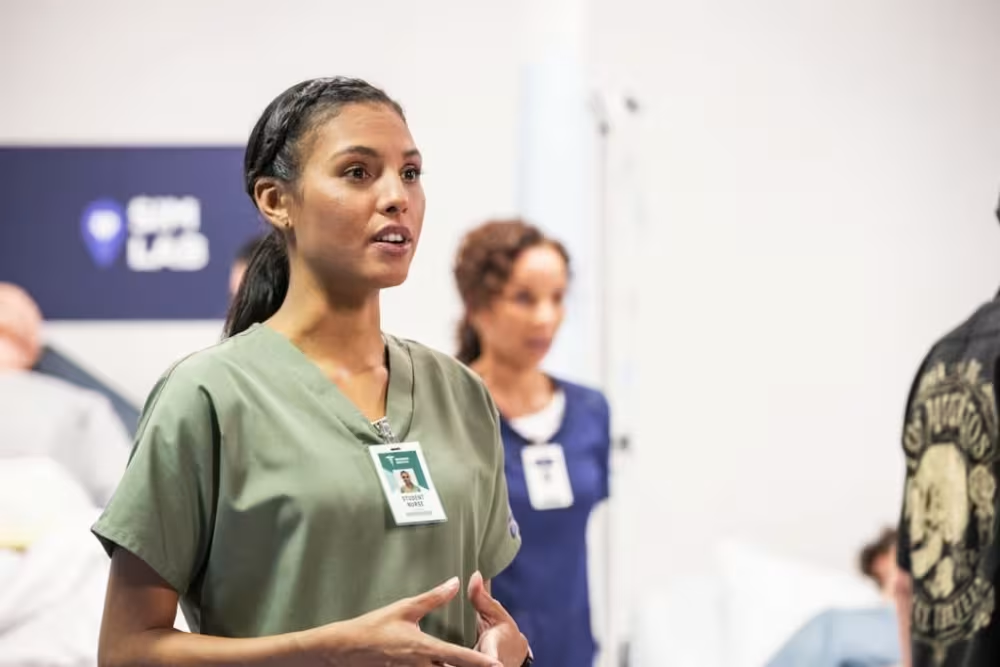
Geriatric nurses often work with patients who are experiencing physical limitations or memory related disorders. Advanced levels of patience and compassion are essential to supporting patients and families as a geriatric nurse.
Communication
Having strong levels of communication is important in any nursing job, but in geriatric nursing it widens. Geriatric nurses regularly interact with other healthcare professionals to provide complex care to older adults. On top of that, they work closely with patients who may have cognitive disorders or other memory related illnesses. Due to the proximity to loved ones, geriatric nurses commonly interact with families and are expected to provide detailed rundowns of the care and outcomes of their patients.
Attention to Detail
Older adults may have several serious or chronic health conditions alongside multiple medication prescriptions. In addition to that, patients may have complex schedules. Attention to detail is essential to provide responsible care while working as a geriatric nurse.
Empathy
While many nursing specialties often center around improving patient outcomes, geriatric nurses often work with patients with declining conditions, terminal illnesses, or in need of end-of-life care. Geriatric nurses commonly focus on symptom management or improving the quality of life of patients who are in vulnerable stages of their life. Here having high levels of empathy is important.
How Long Does It Take to Become a Geriatric Nurse?
While the time it takes to become a geriatric nurse may vary depending on career or education becoming a geriatric nurse requires a minimum of an associate’s degree in nursing (ADN) or a Bachelor of Science in Nursing (BSN). This can typically take between 2 years and 4 years.
Career switchers with non-nursing degrees or a certain number of college credits may benefit from an Accelerated Bachelor of Science in Nursing (ABSN). ABSNs are accelerated BSN programs that can typically be completed much more quickly without sacrificing quality of education.
How to Become a Geriatric Nurse: Step-by-Step
Becoming a geriatric nurse involves earning the right degree, obtaining licensure, gaining experience with older adults and pursuing specialized certification.

Have an associate's degree? Learn how to turn it into a BSN.
Enroll in an ABSN program
After meeting prerequisites or other eligibility programs, enroll in an Accelerated Bachelor of Science in Nursing program and earn a BSN degree. This typically takes from 12 months to 18 months and provides students with the necessary skills and competencies required to practice as a registered nurse and sit for the NCLEX-RN.
Graduate and Pass the NCLEX-RN
After graduating, passing the NCLEX-RN is the next step to becoming a registered nurse. While still in nursing school, start studying for the exam as early as possible. After passing the NCLEX-RN, you can become a registered nurse through your state and start practicing as a geriatric nurse.
Gain Experience with Older Adults
After becoming licensed to practice as a registered nurse, consider working in a setting where geriatric nurses are commonly found. This can include nursing homes/assisted living facilities, home settings, or hospice facilities. Some settings may require additional certifications. Focus on learning common medical, emotional, and daily care that comes with geriatric nursing.
Consider Geriatric Nursing Certification
Some nursing schools may offer additional certification to help land geriatric nursing jobs. These certifications show employers that you have a specific interest in this field of nursing and, while not always required, can be very valuable when used appropriately.
How Much Does a Geriatric Nurse Make?
Becoming a geriatric nurse is a great career for many people, one of the many benefits to this is the high pay. According to the U.S. Bureau of Labor Statistics, in 2024, registered nurses across all fields earned a median annual wage of $93,600. Specialized nurses and nurses with BSNs tend to have higher pay, with some sources claiming geriatric nurses can make up to $112,000 annually.
On top of pay, nurses also are experiencing a strong job market. The BLS projects a faster than average, 5% job growth from 2024 to 2034. This will add about 166,000 jobs nationwide. Now is a good time to become a geriatric nurse.
Is Geriatric Nursing the Right Career for You?
Geriatric nursing is a highly personal choice. The role can be emotionally challenging because patients may be dealing with chronic illness or end‑of‑life issues; however, if you are compassionate, patient and committed to improving the lives of older adults, this specialty can be deeply rewarding.
Start Your Journey to Becoming a Geriatric Nurse
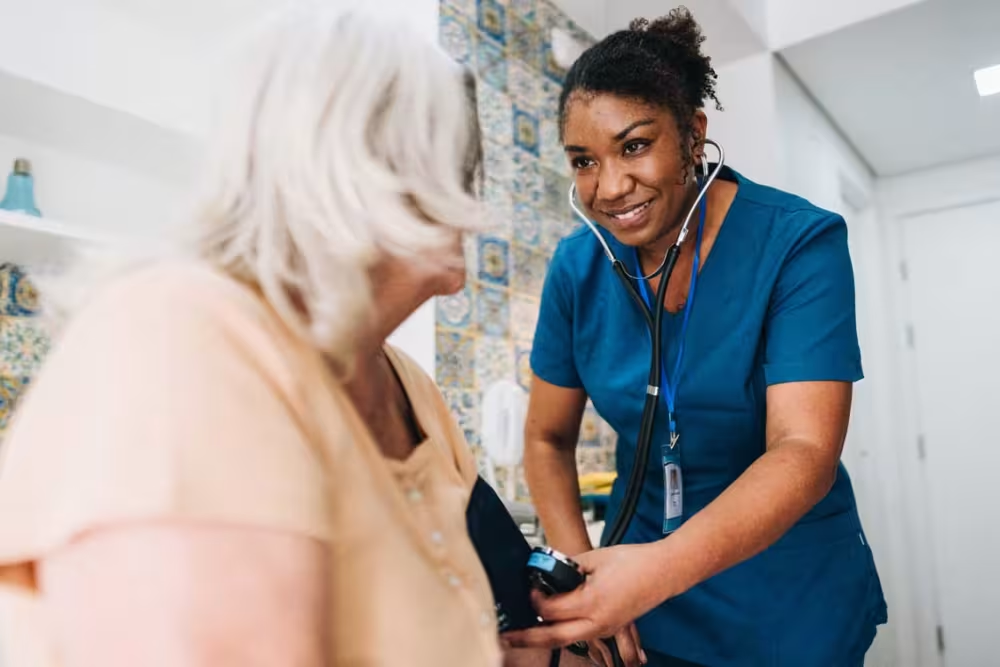
If you’re ready to become a geriatric nurse or interested in nursing in general. We can help connect you to school that meet your needs. Fill out our online form today to get started on your nursing journey.
